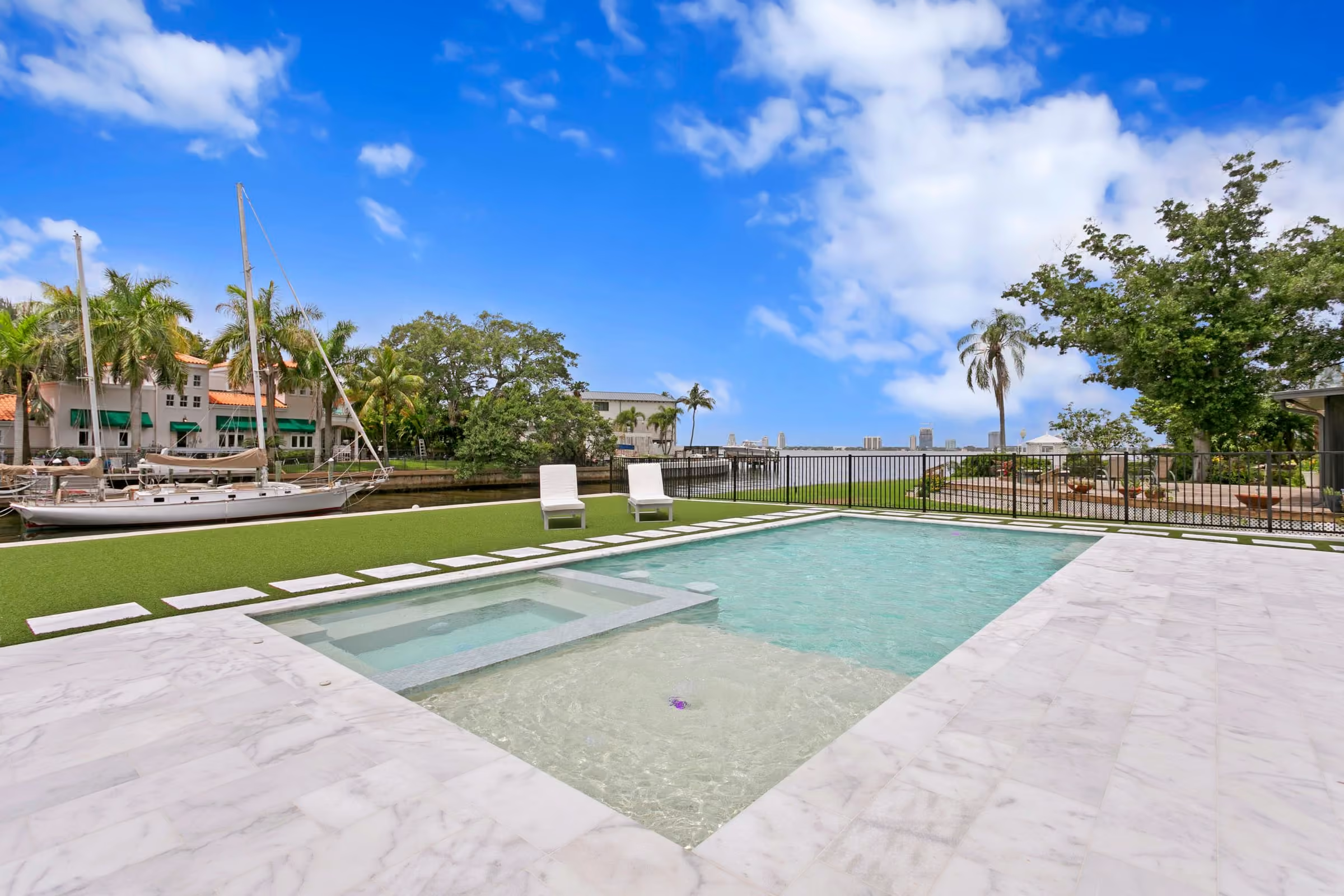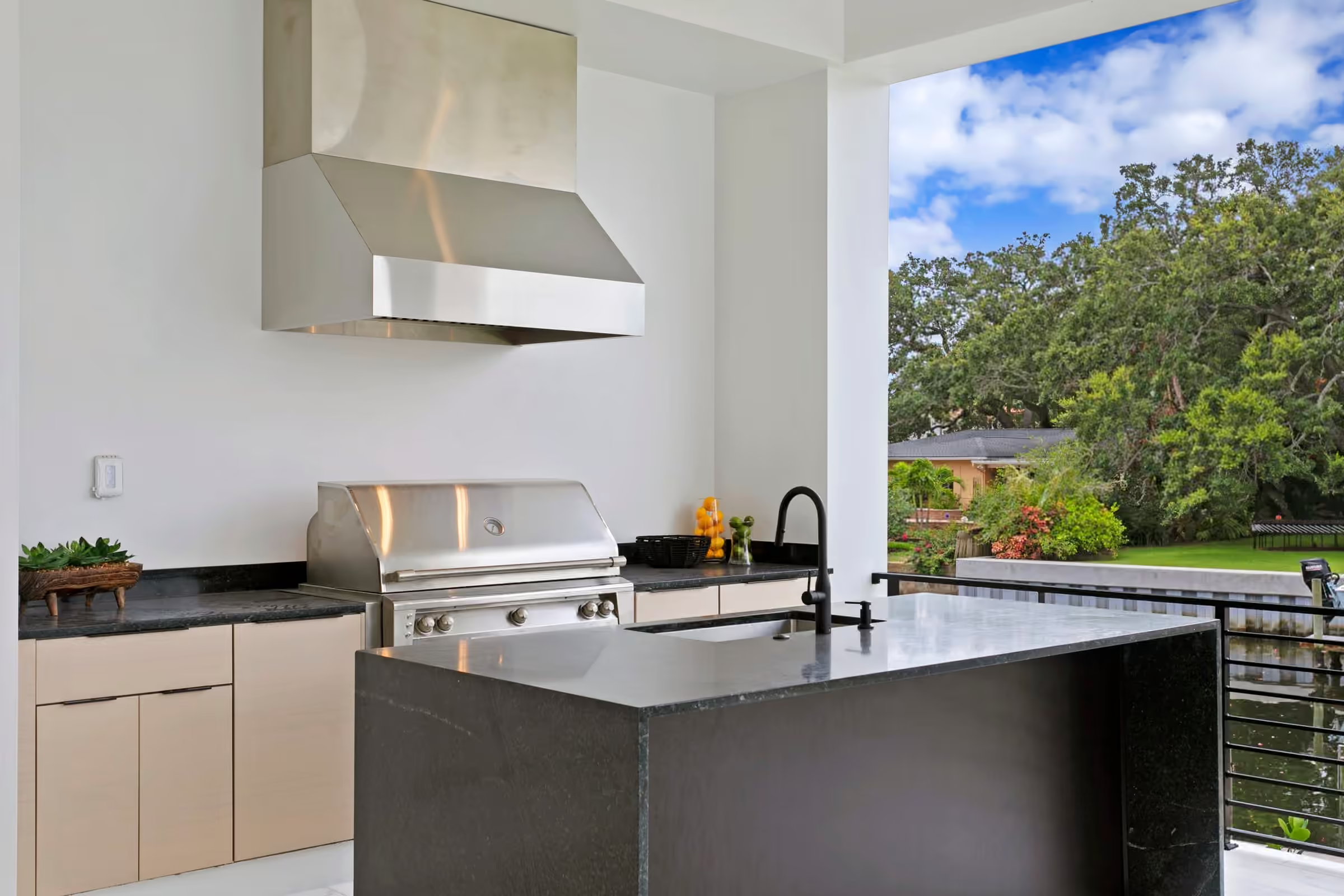
What does build on your lot mean?
It means a builder constructs a new home on land you own or are buying. You work with the builder on a design that fits the lot, instead of choosing a finished house on a lot the builder owns.
A lot can be vacant. It can also hold an old house that comes down first. The City of Tampa’s permit page defines new construction this way: “A New Construction is a property/land that has completely new improvement.”
Halo Homes lists custom home construction among its services. Its site says it builds in the Tampa Bay area “along with the surrounding regions.” It does not publish a lot policy, a lot search service or a list of neighborhoods. Ask the team directly how your lot would fit.
This page covers what you can check yourself, with City of Tampa, federal and state sources. Rules differ outside City limits, so name your jurisdiction when you ask questions.
How do I check a lot before I buy it?
Check six things, in this order. Each is a public record or a phone call.
- Flood zone and elevation. The City of Tampa’s Stormwater Department gives flood zone information, including the FIRM zone and base flood elevation, if you give the street address. Call (813) 274-3101. There is no charge. See building in a flood zone in Tampa for what the zone letters mean.
- Stormwater Advisory List. The City keeps a list of flood-prone properties. It says development in these areas might be restricted. Call the Construction Services Center at (813) 274-3100.
- Zoning district. The district sets lot size, yards and height.
- Historic status. A lot in a local historic district needs approval before new construction.
- Trees. The City requires a permit to prune a tree 24 inches or greater in diameter at breast height. Ask the City about removal rules before you plan the footprint.
- Permit path. The City’s residential new construction page lists the application guide, fee estimator, plan review items and inspections.
The City’s zoning training makes the logic of step 3 plain: “If you can meet standard, you can develop and use property as allowed by the code.” Here is a sample from its 2023 table for three single-family districts.
| District | Minimum lot area | Front yard | Side yard | Maximum height |
|---|---|---|---|---|
| RS-75 | 7,500 sq ft | 25 ft | 7 ft | 35 ft |
| RS-60 | 6,000 sq ft | 25 ft | 7 ft | 35 ft |
| RS-50 | 5,000 sq ft | 20 ft | 7 ft | 35 ft |
The table also lists rear and corner yards, and footnotes can change values. The City can also change its code. Confirm your lot’s district and the current table with the City.
The guide on buying a lot to build in Tampa goes deeper. Glossary entries explain zoning and setback.
For historic status, the City says Tampa has four local historic districts and 64 local historic landmarks. A Certificate of Appropriateness covers new construction, additions and exterior repairs.
Should I buy the lot before I hire a builder?
Not necessarily, but do not buy blind. Builders differ on this, so ask each one before you close. Halo Homes publishes no policy on whether it works before or after you buy a lot. Do not assume one.
Halo’s Visualize step says: “We carefully select prime locations and envision exceptional designs that harmonize with the surrounding environment.” That describes Halo’s approach to locations. It does not state whether Halo builds on a lot a client already owns. Confirm that directly.
Whatever the answer, put the checks above ahead of the closing. Ask your real estate professional whether the purchase contract can include a review period for flood zone, zoning and permits. A lot that looks open can carry limits that change the plan.
These questions help you decide.
- Does the lot’s flood zone raise the floor, and what does that do to the design?
- Does the zoning district allow the size of home you have in mind?
- Is a historic review likely?
- Do trees on the lot change where the house can sit?
- Which builder will walk the lot with you before you close?
What if the lot has an old house?
A teardown is common in older parts of Tampa. A replacement home is a new build, so plan for current rules. If you keep part of the old house, the flood rule on substantial improvement can apply.
The City states that rule for flood zones. If improvements or repairs exceed 50 percent of a home’s value in a special flood hazard area (A and V zones), the house must be brought up to current code standards, including elevating to above the base flood elevation.
A tear-down also raises the same lot questions: historic status, trees and zoning. The guide on teardown and rebuild in South Tampa lists them in order. Ask the City what demolition requires before you plan a schedule. This page does not state demolition steps.
How does construction financing work?
A construction loan pays for the build in stages. The Consumer Financial Protection Bureau says “A construction loan is usually a short-term loan that provides funds to cover the cost of building or rehabilitating a home.” It also says:
- Construction loans generally carry higher interest rates than long-term mortgages.
- Money is typically provided in a series of advances as construction progresses.
- Payments sometimes start six to 24 months after the loan is made.
- You may be able to convert the loan to a conventional mortgage. If it does not convert automatically, you may have to reapply for a new loan.
The bureau also says your choices depend on the lender and your credit history, so compare multiple loans. A construction loan differs from a construction-to-permanent loan. A draw schedule sets when the lender releases each advance.
This page has no sourced figure for the down payment on a construction loan. Ask each lender these questions:
- How does the loan treat land I already own?
- What inspections do you require before each draw?
- What happens if the build costs more than planned?
- Does the loan convert on its own, or do I reapply?
The guide on construction loans for custom homes goes through the questions.
How do I confirm my contractor is licensed?
Look the contractor up with the Florida Department of Business and Professional Regulation (DBPR). The department separates certified and registered licenses and lists categories that include general, building and residential.
- Certified contractors may work anywhere in the state. Registered contractors may work only in the jurisdiction where they registered.
- A general contractor’s work is unlimited as to type.
- A building contractor is limited to commercial buildings and residential buildings. The DBPR says these buildings cannot exceed three stories in height.
- A residential contractor is limited to one-, two- and three-family residences not more than two stories, plus accessory structures such as a garage.
Match the category to your plans. A tall or multi-story luxury home may need a different category from a one-story plan. Ask your builder which license covers your project and who holds it.
Florida law also limits what a contractor may do with your deposit. If the initial payment exceeds 10 percent of the contract price on residential work, Section 489.126 requires the contractor to apply for permits within 30 days and start work within 90 days after the permits issue. Exceptions apply for just cause or a written agreement.
What is the next step?
Do the lot checks first, then compare builders and lenders. This order keeps you from paying for plans a lot cannot support.
- Call the City for flood zone and elevation.
- Confirm zoning, historic status and tree rules.
- Ask each builder how it works with a client-owned lot.
- Compare construction loans.
- Verify the contractor’s license and category.
- Get the schedule, contract and change-order terms in writing.
Bring your lot address, or the one you are considering, to a first conversation. Halo Homes can talk through your plan. Call (813) 956-1972, email jamie@build813.com or contact the team.
Facts checked October 2026 against the sources listed on this page.
Frequently asked questions
What does build on your lot mean?
It means a builder constructs a new home on land you already own or are buying, instead of selling you a house on a lot the builder owns. You choose the design with the builder, and the lot's rules shape it. Ask any builder to confirm in writing that it builds on client-owned lots.
Do I need to own the land before I hire a builder?
It depends on the builder, so ask each one. Halo Homes does not publish a policy on this. Whatever the answer, check the lot's flood zone, zoning, historic status and trees before you close on it. Those checks can change what you can build.
How does a construction loan work when I own the land?
The Consumer Financial Protection Bureau says a construction loan is usually a short-term loan that covers the cost of building. Funds are typically advanced as construction progresses, and payments may start months later. Ask each lender how it treats land you already own and how it will convert the loan.
Can I build a luxury home on my own land in Tampa?
Yes, if the lot's zoning and flood rules allow the plan. Zoning sets yards, height and minimum lot size. In a flood hazard area, the City needs an elevation certificate with the permit application. Historic districts add a Certificate of Appropriateness. Check each before you design.
How do I check a contractor's license in Florida?
Use the Florida Department of Business and Professional Regulation. It licenses contractors as certified, which is valid statewide, or registered, which is valid only in the registering jurisdiction. It also separates general, building and residential categories. Match the license category to your home's size and stories.
Terms on this page
Sources
- City of Tampa: Flooding
- City of Tampa: The ABCs of Zoning, Module One
- City of Tampa: Tree Information
- City of Tampa: Architectural Review and Historic Preservation
- Consumer Financial Protection Bureau: What is a construction loan?
- Florida Department of Business and Professional Regulation: Construction Industry Licensing Board
- Florida Senate: Section 489.126, Florida Statutes
- City of Tampa: Residential New Construction
Written for Halo Homes and checked against the sources above on October 29, 2026. City, county and code rules change, so check the linked page before you act.